
No Reasoning? → No Reason for AI!
Where Automation Hits Its Limits → Reasoning Begins
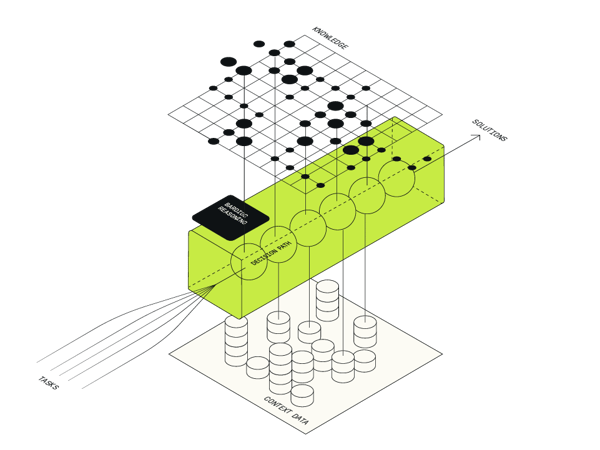
The Bardioc Reasoning Engine does more than structure tasks: it combines context, rules, and data to produce explainable decisions. The result is robust automation for compliant, context-aware decision-making in dynamic environments across the private sector, public sector, and defense. Data and decision logic remain under your control: independent, traceable, and fully configurable.
Rigid Logic Falls Short in the Face of Real-World Complexity
Automation That Thinks, Assesses, and Acts
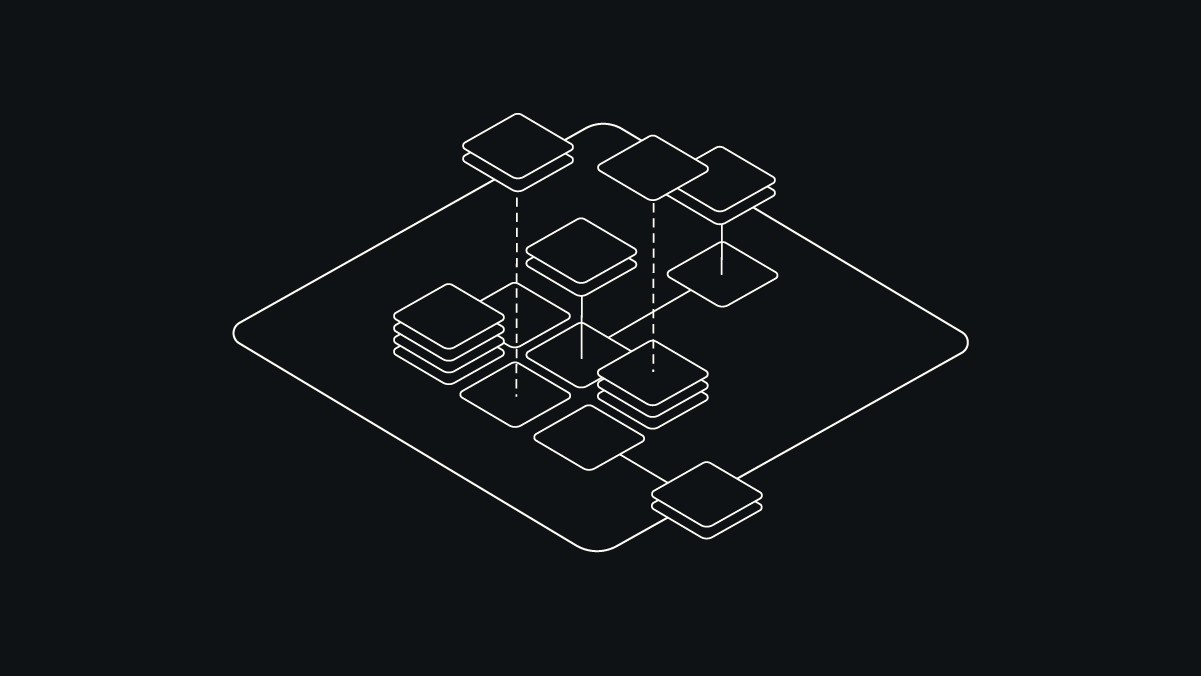
The Bardioc Reasoning Engine evaluates tasks in context and selects the best course of action. When the available context is not sufficient for a sound decision, it expands that context in a targeted way, for example by incorporating additional knowledge modules, rules, relationships, and relevant signals.
Only dynamic reasoning = automatable decisions
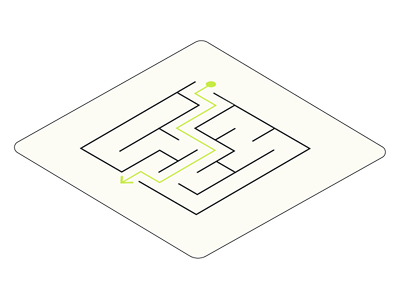
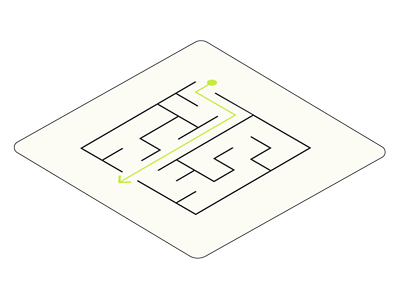
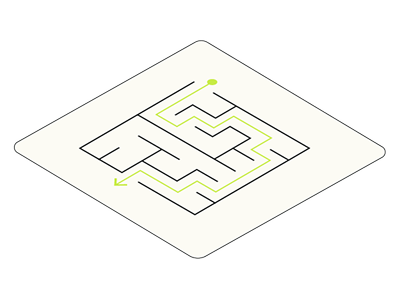
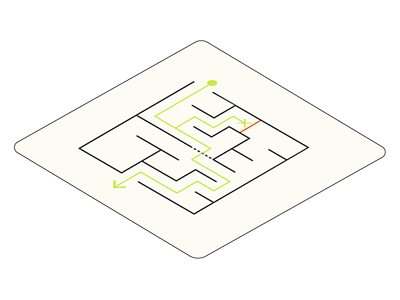
Organizations hit their limits wherever processes cannot be fully standardized, context shifts, or uncertainty and novelty come into play. This is where dynamic reasoning matters: it applies existing knowledge, evaluates the current context, and continuously adapts decisions in a transparent, incremental way.
Static: Deterministic logic
Dynamic
True digital sovereignty should mean more than control over data and infrastructure. When AI is used to automate business-critical processes, explainability becomes essential. AI that cannot be explained cannot be controlled — and what cannot be controlled ultimately undermines sovereignty.
Stefan Dreher
The Next Evolutionary Step: AI Fit for Impact
Organizations across the private sector, public sector, and defense need more than AI that simply answers questions. Real competitive advantage comes from systems that can also decide and act. Bardioc Reasoning combines context, logic, and execution to produce decisions that remain transparent at every step — enabling automation that stays reliable even in dynamic conditions.
-
Step 1
Capture Knowledge
Expert knowledge is converted into reusable knowledge modules.
-
Step 2
Integrate Context
Data from systems and sources is integrated and semantically linked.
-
Step 3
Assess and Resolve Issues
The reasoning engine recognizes intentions, weighs options, and determines the best next step.
-
Step 4
Execute Actions
The identified measures are automatically implemented in the connected systems.